Overview of Mace Rage Duel
Mace Rage Duel stands as a groundbreaking milestone in Indian video game development, a magnum opus that seamlessly weaves together historical authenticity with heart-pounding action gameplay. Crafted with meticulous attention to detail by the visionary team at Daman Games Studios, this title transports players to the golden era of ancient India – a time when mace combat was not merely a fighting style but a way of life, a symbol of royal prestige, and a testament to warrior valour that resonated across kingdoms from the Himalayas to Kanyakumari.
Set against the vivid backdrop of the 9th to 14th century Indian subcontinent – a period marked by the rise and fall of mighty empires like the Cholas, Rajputs, Delhi Sultanate, and Vijayanagara, the confluence of diverse cultures, and the flourishing of art, science, and martial arts – Mace Rage Duel captures the essence of medieval Indian warfare with unprecedented accuracy. From the grandeur of Rajput fortresses in Mewar to the intricate temple complexes of the Chola Dynasty in Tamil Nadu, from the bustling markets of Delhi to the serene banks of the Ganges in Varanasi, every element of the game world reflects years of rigorous research into historical records, archaeological findings, and traditional Indian martial arts practices.
Release Date
05 November 2024
Platforms
PC, PS5, Xbox X/S, Mobile
Age Rating
PEGI 16+
Active Players
18M+
Metacritic Score
8.9/10
Downloads
52M+
The game's narrative unfolds as an epic saga following the journey of Arjun Varman, a young warrior hailing from a small Rajput principality in Mewar. Orphaned during a brutal invasion by the ruthless warlord, Muhammad Ghori's general Qutb-ud-din Aibak, Arjun's life takes a dramatic turn when he discovers he is the last descendant of a legendary mace fighter from the Chauhan clan. Driven by a quest for justice, revenge, and the restoration of his family's honour, Arjun embarks on a perilous journey across the length and breadth of India – from the arid deserts of Rajasthan to the lush forests of Kerala, from the snow-capped mountains of Uttarakhand to the coastal kingdoms of Gujarat.
What truly sets Mace Rage Duel apart from other action games is its deep reverence for Indian culture and its unwavering commitment to educating players about the country's rich martial heritage. Unlike many Western games that depict India through outdated stereotypes and superficial portrayals, Mace Rage Duel offers a nuanced, respectful, and authentic representation of Indian history, culture, and traditions. Every aspect of the game – from the design of weapons and armor to the portrayal of social customs, religious practices, and even culinary traditions – has been carefully crafted to reflect the diversity and richness of ancient Indian civilization.
In a global gaming industry often dominated by Western themes, aesthetics, and narratives, Mace Rage Duel offers a refreshing and much-needed perspective, showcasing India's historical and cultural wealth through engaging, immersive gameplay. The game serves as a bridge between entertainment and education, entertaining players with its thrilling combat and compelling story while introducing them to the rich tapestry of Indian history and culture. For Indian players, it's a source of immense pride – a game that celebrates their heritage and showcases it to the world with dignity and respect. For international players, it's a window into a fascinating civilization that has often been overlooked in mainstream gaming.
From the moment players step into Arjun's shoes, they are transported to a world of chivalry and courage, where honour is valued above all else, and the clang of maces echoes across battlefields. Along the way, players will encounter a diverse cast of characters, each with their own unique stories, motivations, and fighting styles – from fierce princesses and wise monks to cunning merchants and loyal bodyguards. They will participate in iconic historical battles, make crucial decisions that shape the course of the narrative, and master the ancient art of mace combat, which has been passed down through generations of Indian warriors.
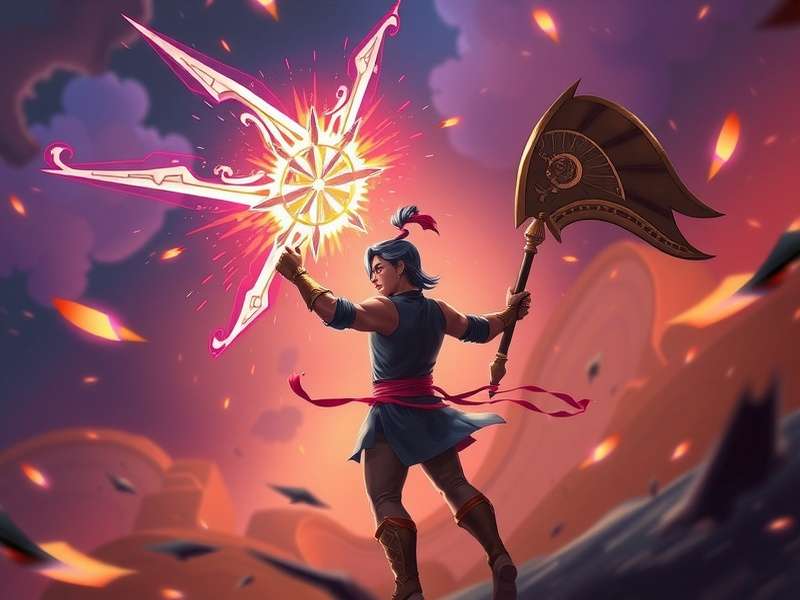
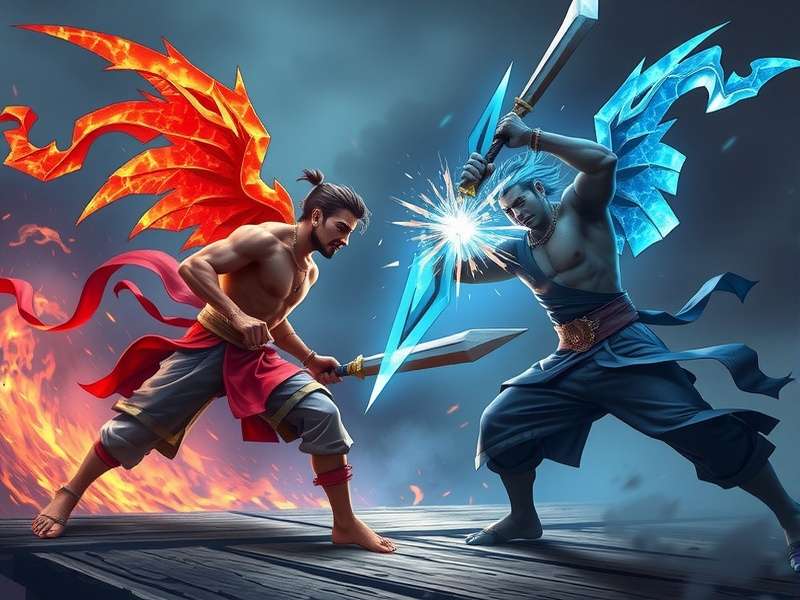

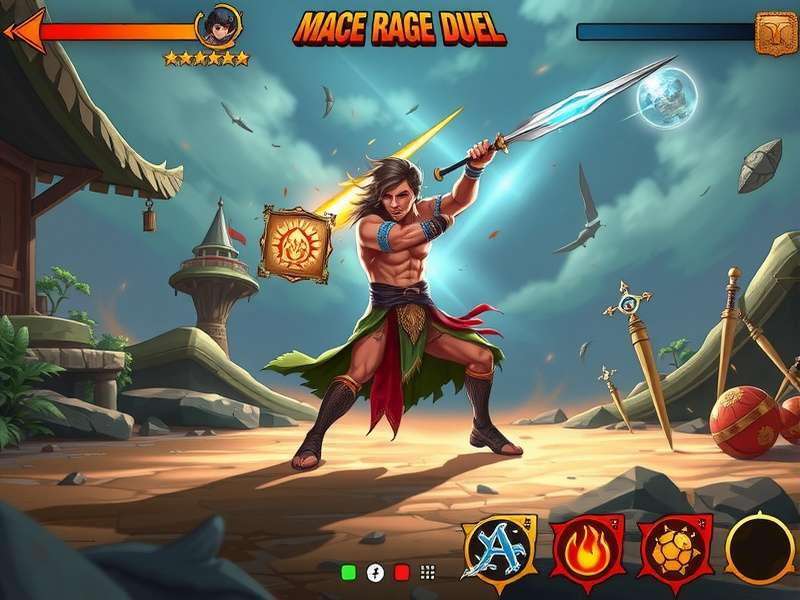
Since its release in November 2024, Mace Rage Duel has taken the gaming world by storm, receiving widespread acclaim from both critics and players alike. It has broken numerous records in the Indian gaming market, becoming the second fastest-selling Indian game of all time after its spiritual predecessor and amassing a dedicated fan base of over 18 million active players worldwide. The game's success is particularly noteworthy in India, where it has resonated deeply with players of all ages – from teenagers who are drawn to its fast-paced combat to adults who appreciate its historical depth and cultural authenticity.
The game's success is a testament to its quality, its cultural resonance, and its ability to appeal to both Indian and international audiences. It has been praised for its innovative combat system, stunning visuals, compelling storyline, and authentic cultural representation. More importantly, it has sparked a renewed interest in Indian history and martial arts among young people, both in India and abroad. Schools and educational institutions across India have even started using the game as a supplementary teaching tool to introduce students to ancient Indian history and culture, a testament to its educational value.
One of the key factors behind the game's success is its accessibility. Unlike many historical games that can be intimidating for casual players due to their complex mechanics and dense lore, Mace Rage Duel strikes the perfect balance between depth and accessibility. The game's combat system is easy to learn but difficult to master, making it accessible to casual players while offering enough depth to satisfy hardcore gamers. The storyline is engaging and easy to follow, with well-developed characters and plot twists that keep players invested from start to finish.
Another factor contributing to the game's success is its commitment to inclusivity. The game features a diverse cast of characters from different regions, religions, and backgrounds, reflecting the true diversity of ancient India. It also includes a wide range of accessibility features, making it accessible to players with disabilities – a feature that is often overlooked in mainstream gaming. From adjustable difficulty settings to customizable controls, text-to-speech functionality, and colorblind modes, the game ensures that everyone can enjoy the experience, regardless of their skill level or physical abilities.
Mace Rage Duel is more than just a game – it's a cultural phenomenon that has transcended the gaming world. It has spawned a wide range of merchandise, including action figures, clothing, and collectibles inspired by Indian traditional designs, and has even inspired an animated web series that explores the backstories of some of the game's most popular characters. The game's soundtrack, which features traditional Indian music instruments like sitar, tabla, veena, and dholak combined with modern orchestral elements, has also become a hit, topping music charts in India and gaining international recognition.
Looking ahead, Daman Games Studios has announced plans for several major updates and expansions to Mace Rage Duel, including new characters inspired by regional Indian warriors, additional game modes, and new story chapters that explore lesser-known periods of Indian history. The studio has also hinted at the possibility of a sequel, which would continue the story of Arjun Varman and explore new periods and regions of ancient Indian history, including the Mughal era and the Maratha empire. With its strong fan base and critical acclaim, there's no doubt that Mace Rage Duel will continue to be a major force in the gaming industry for years to come.
The game's impact extends beyond the gaming community. It has sparked discussions about the representation of Indian culture in mainstream media and has highlighted the potential of the Indian gaming industry to create content that is both entertaining and culturally significant. It has also contributed to the growing recognition of Indian martial arts like Gatka, Silambam, Kalarippayattu, and Vajra-Mushti on the global stage, inspiring many young Indians to learn more about these traditional art forms.
In a country where the gaming industry is growing at an unprecedented rate – with over 400 million gamers and projected revenue of $5 billion by 2025 – Mace Rage Duel represents a new era of Indian game development, one where cultural authenticity and world-class gameplay go hand in hand. It is a shining example of what can be achieved when developers combine passion, creativity, and a deep respect for their cultural heritage.
Gameplay Mechanics of Mace Rage Duel
The gameplay of Mace Rage Duel is a masterful blend of accessibility and depth, designed to cater to both casual players and hardcore action game enthusiasts. At its core lies a revolutionary combat system centered around the use of maces – powerful, versatile weapons that require skill, strategy, and timing to wield effectively. The developers have gone to great lengths to ensure that the combat feels both authentic and satisfying, capturing the weight, power, and technique of traditional Indian mace fighting, which has been honed over centuries of warfare and martial arts practice.
Combat System
The combat in Mace Rage Duel is a seamless fusion of real-time action and strategic thinking, offering a level of depth and complexity rarely seen in action games. Players can perform a wide array of attacks, including quick light strikes, devastating heavy blows, fluid combo sequences, and specialized techniques, each with its own unique strengths, weaknesses, and strategic applications. The game's combat system is designed to reward skill and timing over button-mashing, encouraging players to learn and master the nuances of mace combat.
The game's advanced physics engine ensures that every hit feels impactful and realistic. When a mace connects with an opponent's armor, players can feel the vibration (especially on next-gen consoles with haptic feedback) and see the sparks fly. When a strike lands on an unarmored opponent, the impact is visceral and satisfying, with realistic animations that convey the force of the blow. Enemies react realistically to different types of attacks – heavy blows can stagger or knock down opponents, while quick combo attacks can overwhelm them with speed and precision. The game also features a realistic damage system, where attacks to different parts of the body have different effects – strikes to the head are more likely to stun or knock out opponents, while strikes to the limbs can impair their movement or attack capabilities.
One of the most innovative features of the combat system is the "Mace Mastery" mechanic. As players progress through the game, they can unlock and master ten distinct mace-fighting styles, each based on traditional Indian martial arts disciplines such as Gatka (Punjab), Silambam (Tamil Nadu), Kalarippayattu (Kerala), Vajra-Mushti (North India), Thang-ta (Manipur), Gada-Yuddha (Rajputana), Musti-Yuddha (ancient Indian boxing), Kalaripayattu (Kerala), Parshuram Kali (Gujarat), and Mallakhamb (Maharashtra). Each style offers a unique playstyle, with its own set of moves, combos, and special abilities, allowing players to customize their combat experience to suit their preferences.
Each fighting style has its own extensive skill tree, allowing players to unlock new moves, combos, and abilities as they gain experience. For example, mastering the Rajput Gada-Yuddha style unlocks powerful area-of-effect attacks and defensive techniques that allow players to withstand even the most relentless assaults. Mastering the Silambam style grants access to quick, evasive maneuvers and precision strikes that can take down enemies before they even have a chance to react. The Kalarippayattu style focuses on technical precision and counterattacks, allowing players to use their opponent's momentum against them. This deep customization ensures that no two players will have the same combat experience, and that the game remains fresh and engaging even after hundreds of hours of gameplay.
The game also features a unique "Valor System" that rewards players for fighting with skill and honour. Successfully landing consecutive hits, dodging attacks at the last moment (known as "Perfect Dodges"), executing perfect counters, and avoiding unnecessary violence (such as sparing defeated enemies) fills the Valor meter. Once full, players can unleash devastating "Valor Attacks" – powerful, cinematic moves that can turn the tide of battle. These attacks are not just visually impressive but also strategically significant, capable of taking down even the toughest enemies in a single blow or clearing out entire groups of foes.
Valor Attacks are unique to each fighting style, adding another layer of customization to the gameplay. For example, the Rajput Gada-Yuddha Valor Attack is a devastating ground slam that creates a shockwave, damaging all enemies in a large area. The Silambam Valor Attack is a lightning-fast flurry of strikes that targets multiple enemies in quick succession. The Kalarippayattu Valor Attack is a precision strike that can instantly defeat most enemies if timed correctly. These attacks are not just powerful but also visually stunning, with cinematic camera angles and detailed animations that make them feel like epic moments straight out of a historical drama.
In addition to the Mace Mastery and Valor systems, the game also features a "Stance System" that allows players to switch between different combat stances, each with its own advantages and disadvantages. The Offensive Stance increases damage output but reduces defense, making it ideal for aggressive players who prefer to take the fight to their enemies. The Defensive Stance increases defense and allows for better counterattacks but reduces damage output, making it ideal for players who prefer a more tactical approach. The Balanced Stance offers a mix of offense and defense, making it a good all-around choice for most situations. Players can switch between stances at any time during combat, allowing them to adapt to different enemies and situations on the fly.
Another unique aspect of the combat system is the "Environmental Interaction" feature. Players can use the environment to their advantage during battles – for example, they can knock enemies into spikes, push them off cliffs, or use pillars and walls to shield themselves from attacks. The game's levels are designed with this in mind, featuring dynamic environments that can be manipulated to gain an edge in combat. This adds another layer of strategy to the gameplay, as players must not only master their mace-fighting skills but also learn to use their surroundings effectively.
Game Modes
Mace Rage Duel offers a diverse range of game modes to keep players engaged for hours on end. Whether you prefer the epic story-driven experience of single-player mode or the competitive thrill of multiplayer battles, there's something for everyone. Each game mode has been carefully designed to offer a unique experience, with its own set of challenges, rewards, and gameplay mechanics.
- Story Mode: The flagship single-player campaign of Mace Rage Duel spans over 45 chapters, taking players on an epic journey across ancient India. From the deserts of Rajasthan to the forests of Kerala, from the Himalayan foothills to the coastal cities of Tamil Nadu, each chapter is set in a distinct region with its own unique environments, challenges, and enemies. The story is rich and immersive, filled with memorable characters, plot twists, and emotional moments that will keep players invested from start to finish. Players will encounter historical figures (both fictional and based on real historical personalities like Prithviraj Chauhan, Raja Raja Chola, and Rani Lakshmi Bai), participate in iconic battles, and make crucial decisions that affect the outcome of the narrative. The campaign can take anywhere from 50 to 70 hours to complete, depending on the player's playstyle and difficulty level. What sets the Story Mode apart is its commitment to historical accuracy – each chapter includes historical notes and facts that provide context for the events depicted in the game, making it both entertaining and educational.
- Battle Arena (PvP): For players who crave competitive action, the Battle Arena offers a variety of multiplayer modes that pit players against each other in intense mace combat. Players can compete against each other in 1v1, 2v2, 3v3, and 4v4 battles across a range of historically inspired maps, each with its own unique layout and environmental hazards. The arena features a robust ranking system that allows players to climb from the ranks of Novice to Grand Master, with exclusive rewards (such as rare weapons, armor, and cosmetic items) and recognition for top players. What sets the Battle Arena apart from other multiplayer modes is its emphasis on skill-based combat – there are no pay-to-win elements, and success depends solely on a player's mastery of the game's combat system. The matchmaking system ensures that players are paired with opponents of similar skill levels, ensuring fair and balanced matches that are both challenging and rewarding. The Battle Arena also features regular tournaments and events, including special seasonal events based on Indian festivals like Diwali, Holi, and Pongal, with unique rewards for winners and participants.
- Survival Mode: A challenging mode that tests players' skill, endurance, and strategic thinking. In Survival Mode, players must fight off waves of increasingly powerful enemies, with each wave presenting new challenges and threats. The mode features multiple difficulty levels – Easy, Medium, Hard, Veteran, and Nightmare – ensuring that it caters to players of all skill levels. As players progress through the waves, they earn rewards (such as experience points, in-game currency, and rare materials) that can be used to upgrade their weapons, armor, and abilities. The mode also features leaderboards, allowing players to compete with others for the highest score and longest survival time. What makes Survival Mode unique is its dynamic difficulty system – the game adjusts the number and strength of enemies based on the player's performance, ensuring that the challenge remains balanced and engaging. The mode also includes special "Boss Waves" every 10 waves, which feature powerful, unique enemies that require specific strategies to defeat. Additionally, the mode offers daily and weekly challenges with exclusive rewards, keeping players coming back for more.
- Historical Battles: A unique educational mode that recreates iconic battles from Indian history with stunning accuracy. Players can step into the shoes of legendary warriors and experience what it was like to fight in battles such as the Battle of Tarain (1191), the Battle of Haldighati (1576), the Battle of Talikota (1565), the Battle of Panipat (1526), and the Battle of Plassey (1757). Each historical battle is preceded by a short educational segment that provides context and historical background, including information about the armies involved, the tactics used, and the historical significance of the battle. The battles themselves are meticulously recreated, with accurate representations of the weapons, armor, and tactics used by the respective armies. Players can choose to fight for either side, allowing them to experience the battle from different perspectives. The Historical Battles mode is a testament to the game's commitment to education and cultural preservation, and it's a great way for players to learn about Indian history while having fun. The mode also includes a "Historical Commentary" option, where players can listen to expert historians discussing the battle as they play.
- Training Dojo: A mode designed to help players master the game's complex combat system. The Training Dojo features a series of tutorials and challenges that teach players the basics of mace combat, as well as advanced techniques and combos. The mode is suitable for both beginners and experienced players, with challenges ranging from simple target practice to complex combat scenarios that test every aspect of the player's skill. The Training Dojo also allows players to practice with different fighting styles and weapons, helping them find the playstyle that suits them best. What sets the Training Dojo apart from other tutorial modes is its depth and flexibility – players can customize the training scenarios to focus on specific aspects of combat, such as combos, counters, or Valor Attacks. The mode also includes a "Free Practice" area where players can experiment with different moves and strategies without any time limits or objectives. Additionally, the mode features a "Challenge Tower" with increasingly difficult combat scenarios that reward players with rare items and achievements.
- Co-op Mode: A multiplayer mode that allows players to team up with friends or other players online to complete missions and challenges together. The Co-op Mode features a variety of missions, including story-based missions, survival missions, and special events. Players can work together to take down powerful enemies, complete objectives, and earn rewards that are shared among the team. The mode supports up to 4 players, and it's a great way to experience the game with friends while tackling challenges that are too difficult to complete alone. The Co-op Mode also features a unique "Team Valor" system, where players can build up a shared Valor meter by working together (such as reviving teammates, covering each other's backs, and combining attacks), allowing the team to unleash powerful team-based Valor Attacks that can turn the tide of battle. The mode also includes weekly co-op challenges with exclusive rewards, encouraging players to team up regularly.
- Kingdom Conquest Mode: A strategic multiplayer mode that allows players to build and expand their own kingdoms while competing against other players for territory and resources. Players can recruit soldiers, upgrade their fortresses, and form alliances with other players to conquer new lands. The mode combines elements of strategy and action, as players must not only manage their kingdoms but also participate in battles to defend their territory and conquer new regions. The mode features a dynamic world map that changes based on player actions, with kingdoms rising and falling based on their success in battle. Kingdom Conquest Mode also includes a diplomacy system, allowing players to negotiate treaties, form alliances, or declare war on other kingdoms. This mode adds a new layer of depth to the game, appealing to both action game fans and strategy game enthusiasts.
Progression System
Mace Rage Duel features a deep, flexible progression system that allows players to customize their characters and playstyle according to their preferences. As players complete missions, defeat enemies, and earn experience points, they level up their character and unlock new abilities, upgrades, and customization options. The progression system is designed to be accessible to casual players while offering enough depth to satisfy hardcore gamers, with multiple paths to power that cater to different playstyles.
The game's progression system is divided into several interconnected elements, each of which offers unique rewards and customization options:
- Character Leveling: Players earn experience points (XP) by completing missions, defeating enemies, and achieving in-game objectives (such as performing Perfect Dodges, executing combos, and sparing enemies). As they level up, their character's base stats (strength, agility, stamina, and valor) increase, making them more powerful in combat. Each level also grants skill points that can be used to unlock new abilities and upgrades in the skill trees. The maximum character level is 120, and reaching higher levels unlocks rare and powerful abilities that can drastically change the way players approach combat. Additionally, every 10 levels, players unlock a "Legendary Perk" – a unique passive ability that provides significant gameplay advantages, such as increased damage resistance, faster stamina regeneration, or enhanced Valor gain.
- Skill Trees: Each of the ten fighting styles has its own extensive skill tree, with multiple branches that focus on different aspects of combat (offense, defense, speed, utility, etc.). Players can invest skill points in these trees to unlock new moves, combos, and passive abilities. The skill trees are designed to be flexible, allowing players to create unique builds that suit their playstyle. For example, a player who prefers a defensive playstyle can invest in the defensive branch of the Rajput Gada-Yuddha skill tree, unlocking abilities that increase defense, improve counterattacks, and allow for healing. A player who prefers an aggressive playstyle can invest in the offensive branch, unlocking powerful attacks and combos that deal massive damage. The skill trees also include "Signature Abilities" – unique, powerful abilities that are exclusive to each fighting style and can only be unlocked by investing a certain number of points in the tree. Additionally, players can reset their skill points at any time (for a small in-game currency cost), allowing them to experiment with different builds without losing progress.
- Weapon Upgrades: The game features over 75 different maces, each with its own unique stats, characteristics, and historical background. Maces are divided into several categories, including Heavy Maces (high damage, slow speed), Light Maces (low damage, high speed), Balanced Maces (a mix of damage and speed), and Legendary Maces (unique, powerful weapons with special abilities). Players can upgrade their weapons using materials collected throughout the game (such as iron, steel, gold, silver, and rare gems like diamonds, rubies, and emeralds), improving their damage, durability, and special abilities. Higher-level upgrades can unlock unique effects, such as elemental damage (fire, ice, lightning), life-stealing properties, or the ability to stun enemies with each hit. Weapons can also be customized with different skins and engravings inspired by Indian traditional art, allowing players to personalize their weapons to match their style. Some of the game's most powerful maces are "Legendary Maces," which have unique backstories and powerful abilities that can only be unlocked by completing special quests or defeating powerful bosses. These legendary weapons often have historical significance, with designs inspired by real maces used by Indian kings and warriors.
- Armor Customization: Players can collect and customize over 40 different armor sets, each inspired by historical Indian designs from different regions and periods. Armor not only provides defensive bonuses but also affects the character's stats and abilities. For example, heavy Rajput armor offers excellent protection against physical damage but reduces mobility and stamina regeneration. Lightweight South Indian armor provides less protection but increases speed, agility, and stamina regeneration. Medium armor sets offer a balance of protection and mobility, making them